



The cricket betting market’s flashiest option may also be its most deceptive. Here’s what every serious powerplay bettor needs to know.
The Powerplay Betting Mirage
The Powerplay in cricket is one of the most exciting phases—just six overs with fielding restrictions that encourage quick runs. But for bettors, it’s a high-risk trap disguised as an easy win. This guide explains why betting the Powerplay is often a losing game, and how to avoid falling into the trap.

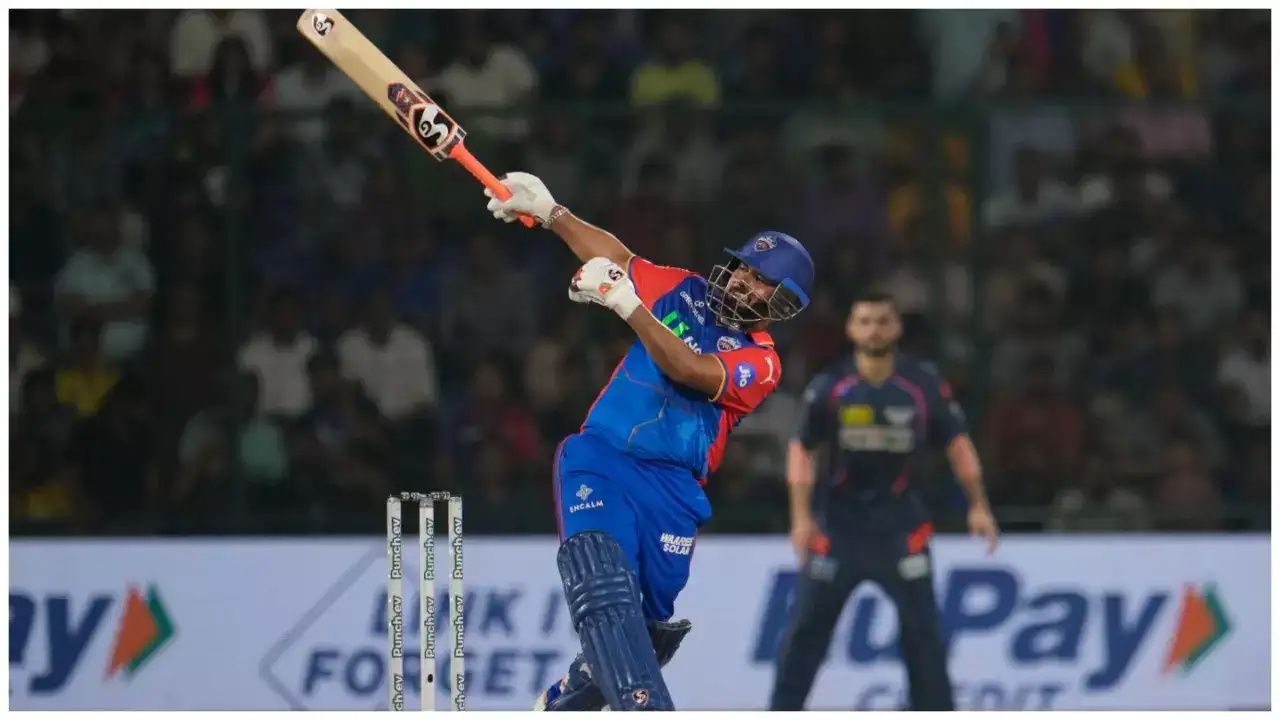
The Powerplay in cricket delivers unmatched intensity and pace. It’s thrilling for fans and irresistible to sports bettors alike. In T20 formats, the first six overs allow just two fielders outside the 30-yard circle. This encourages aggressive batting and promises fireworks right from the start.
That’s why so many bettors target Powerplay betting markets. The perception is simple: more boundaries, fewer risks, and fast results. It feels like a perfect opportunity to cash in quickly. However, that perception is misleading and, potentially, very costly.
Beneath the surface, Powerplay betting is riddled with volatility. Batters face pressure to score fast, bowlers use new-ball swing to their advantage, and captains gamble with attacking field placements. The result? Highly unpredictable outcomes that fluctuate wildly match to match.
The allure of Powerplay odds is strong. But the data paints a very different picture. Market lines are tightly calculated, outcomes are random, and the house has an edge built right in. Many who bet on the Powerplay believe they’re exploiting a soft spot. In reality, the bookmakers have set a well-camouflaged trap.
This feature digs deep into Powerplay betting trends, risk levels, statistical patterns, and market psychology. If you’re looking to develop a smarter cricket betting strategy (especially for T20s and ODIs) understanding the pitfalls of the Powerplay is essential. Before you place that next first-six-overs bet, read this article to understand why Powerplay betting often works against you.
Section 1: What Powerplay Betting Really Is (And Why It’s Built to Deceive)
In T20 matches, the Powerplay covers the first 6 overs. Only two fielders are allowed outside the 30-yard circle, so teams tend to bat aggressively.
The Powerplay is one of cricket’s most misunderstood phases. In T20s, it spans overs one through six. In ODIs, it typically runs through the first ten. Its primary feature is that only two fielders can patrol the deep, which opens up space and encourages attacking shots. For spectators, it’s a highlight. For bettors, it’s a trap hiding in plain sight.

From a betting perspective, this fielding restriction creates an illusion of control. The assumption is simple: fewer boundary riders mean more runs. Bookmakers reinforce this belief by offering seductive over/under lines on Powerplay runs, as well as odds on the method of first dismissal or the partnership’s total score. These wagers appear easy to analyze, but they often are not.
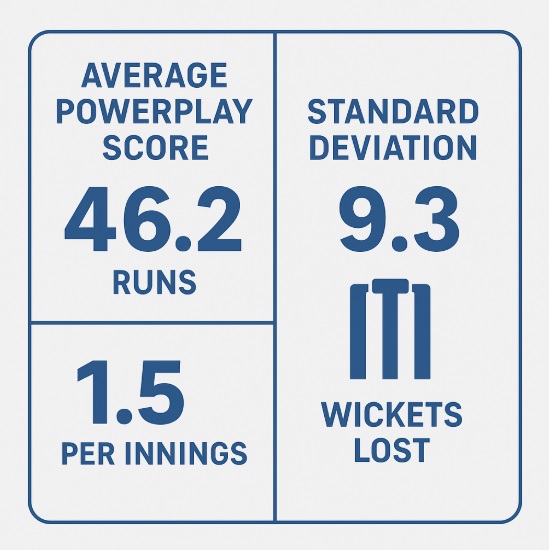
Let’s examine the numbers. According to ESPNcricinfo’s T20 international data:
- Average Powerplay score in T20Is: 46.2 runs
- Standard deviation: 9.3 runs
- Wickets lost in Powerplay (average): 1.5
That last number is important. A single wicket in the Powerplay can drastically change momentum. Two wickets can collapse a strategy entirely. Bettors who back high Powerplay totals often fail to account for these early dismissals.
In short, the Powerplay is a high-risk environment. Despite the flashy odds and perceived momentum, outcomes vary too widely for consistent prediction. If you’re betting based on historical averages alone, you’re not seeing the whole picture. You’re betting blind.
In T20s, the Powerplay limits field placements, encouraging aggressive batting. It’s viewed as a scoring bonanza. But this phase also sees frequent early wickets. This means run totals swing wildly, and early wickets are common. That makes prediction very hard, especially if you’re betting with money, not just opinions.
This volatility makes short-term prediction extremely difficult, especially when relying on fixed-run bands or first-innings Powerplay totals.
Section 2: Bettor Psychology—Why You’re Drawn to Powerplay Betting
The Powerplay seems predictable. But that’s an illusion. In reality, it’s the most chaotic six overs in the game.
Powerplay betting appeals to emotion more than logic. That’s exactly why it’s so dangerous. The short timeframe of six overs feels manageable. The betting lines look predictable. But most of all, the adrenaline rush is real.
This illusion of control is one of the biggest hooks. Bettors see Powerplay wagers like “over 45.5 runs” or “method of first dismissal” as short-term opportunities. They feel more winnable than full-match outcomes or player prop bets. But that feeling is manufactured.
Broadcast commentary plays a major role. Broadcasters talk about “fielding restrictions” and “power hitters” with enthusiasm. Viewers are told to expect fireworks. This builds anticipation. It also builds false confidence. Bettors begin to think: if runs are so likely, surely, I can guess how many?

But this emotional tilt causes a blind spot. One recent example? The 2022 India vs England T20I series. India’s Powerplay scores were 59, 45, and 43. Same pitch, same team, but three completely different results. Market odds didn’t reflect that swing. Bettors who chased the trend lost money.
Powerplay betting mimics the psychology of day trading. It’s fast. It feels strategic. But it’s reactive and often emotionally driven. Many bettors don’t have a defined system; they’re just responding to pre-match hype or momentum.
Bookmakers know this. That’s why Powerplay markets are highly promoted. They feed the illusion that with just a little insight, you can beat the market. But insight without real modeling is just a guess. In the Powerplay, guessing is expensive.
Here’s why so many bettors fall into the trap:
- “Fewer fielders means more runs!”
Not always. Bowlers plan around this. - “I just need six good overs.”
But short windows = high randomness. - Broadcasters hype it.
Fast starts are glamorized. This influences emotions more than facts.
Section 3: The Hidden Edge Behind Bookmakers Profiting from Powerplay Betting
The Powerplay in cricket seems like an easy time to bet. Fewer fielders outside the circle, more chances to score. But that’s exactly what makes it risky, and bookmakers know it.
Why Bookmakers Love Powerplay Bets
1. The Scores Are All Over the Place
2. The Betting Line Is Rigged… Slightly
3. It’s High Risk, Low Reward
4. Winning the Powerplay Doesn’t Mean Winning the Match
Let’s talk odds, because that’s where the trap is set.
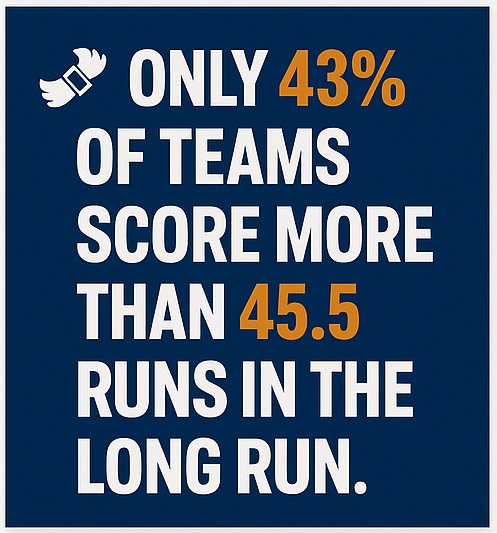
Powerplay betting markets are often built around run thresholds. One of the most common lines is Over/Under 45.5 runs in the first six overs, with even odds on both sides (typically -110 or 1.90). At a glance, that looks fair—like a 50/50 bet. But the truth is far more one-sided.
Real-world data over a rolling three-year period tells a different story. Only 42.1% of Powerplays in global T20 matches go over 45.5 runs. That means the “Over” loses more often than it wins. The line is not even. It’s deceptive. The house has a built-in advantage of around 7.9%, hidden behind familiar betting odds.
Let’s break this down further using 2024 IPL data:
- Kolkata Knight Riders averaged a blistering 68.4 Powerplay runs.
- Gujarat Titans averaged just 47.5.
- Some teams struggled to pass 30 runs.
- Others, like Australia vs Scotland, exploded past 110 in six overs.
Those are massive variances. And yet, bookmakers rarely adjust lines to reflect extreme volatility. Why? Because they don’t need to. The odds favor them. Public betting behavior takes care of the rest.
Powerplay bets are fast. They feel rewarding. But they’re mispriced over time. Even if you hit on a few wagers, your expected value (EV) will trend negatively if you continue blindly.
The more volatility in a market, the more opportunities for a bookmaker to make profit. Powerplay volatility is high. So is the bookmaker’s take. You’re betting on a market that’s tilted against you—and most bettors don’t realize it.
Section 4: The Chaos Factor and Why Powerplay Wins Don’t Predict Match Wins
Bookmakers often set the Powerplay line at 45.5 runs, offering odds like –110 on each side. That suggests a 50% chance of going over or under.
One of the biggest misconceptions in T20 betting is the belief that winning the Powerplay sets the tone for match victory. It sounds logical. Teams that start strong are expected to carry momentum. But in today’s game, that logic doesn’t hold up.
A few years ago, the stats supported that belief. Between 2015 and 2019, teams that scored more Powerplay runs than their opponents won the match nearly 70% of the time. It became a go-to trend for both bettors and commentators. “Win the first six overs, win the game.”
But cricket has changed. Between 2021 and 2024, that trend collapsed. Today, the win rate for teams who “win” the Powerplay has dropped to below 50% in most major leagues.
Why? Because teams have restructured how they pace their innings. With deeper batting lineups, teams can recover from slow starts. Bowlers use data to target matchups more efficiently in the middle overs. And captains now use analytics to balance attack and defense across the entire 20 overs, not just the first six.

It’s Not Really 50/50
Real match data shows:
- Only 43% of Powerplays go over 45.5 runs.
- The bookmaker has a built-in edge of about 8–10%.
Let’s say you place a bet on a team to win because they dominate the Powerplay. They hit 60 runs in six overs, no wickets lost. Sounds great. But they get strangled in the middle overs and collapse at the death. Your early read meant nothing.
Worse, some bettors double down after a successful Powerplay, thinking momentum will carry through. That’s emotional chasing, not strategic betting. The Powerplay may feel important. But it’s just one piece of a larger puzzle and often the least reliable one.

Section 5: First Wicket Markets Are Even More Dangerous for Powerplay Betting Than They Seem
“Caught” is the most frequent dismissal, but odds rarely reflect how often openers sky balls early in Powerplays.
If Powerplay totals are unpredictable, first wicket markets are pure volatility. These bets ask you to predict how the first wicket will fall, or how many runs will be scored before that happens. Sounds fun, but it’s a minefield.
The most popular option? “Caught” as the method of dismissal. It’s common, especially during the Powerplay, where aerial shots are frequent. But odds on “caught” are typically low value. And alternatives like “bowled” or “LBW” are even harder to predict.
Then there’s the “First Wicket Partnership Over/Under” market. In theory, this seems simple. Look at the openers’ form, examine pitch behavior, and you can estimate their potential. But again, the data warns against it.

During the 2021 IPL season, 74% of first wickets fell within the Powerplay. In many matches, openers were dismissed before scoring 20 runs. Bookmakers know this. They set the partnership line around 22.5 to 24.5 runs. It tempts you to take the over. But the majority of results still fall short.
The danger is compounded by randomness:
- A mistimed shot.
- A surprise early spinner.
- A miscommunication on a run.
These things aren’t modellable in advance. Yet bettors continue to chase these markets, convinced they’ve found a soft edge. In reality, first wicket bets are a playground for luck; not strategy. If you’re not using player-vs-bowler match-up data, recent swing rates, and situational conditions, you’re gambling; not betting.
In short: if Powerplay markets are unstable, first wicket markets are worse. The early overs are chaos; not strategy. Betting chaos is a losing game.

Section 6: Who Bets the Powerplay and Why
Powerplay betting is a high-volume market shaped by emotion, convenience, and the illusion of short-term control.
Powerplay betting oftentimes seems engineered for impulsive clicks. The short timeframe, flashy commentary, and illusion of control make it irresistible for casual punters.

Where It’s Happening
Powerplay bets are available on most major platforms:
- Bet365, 1xBet, Betway, FanDuel, Parimatch
When and On What
These bets are hottest during:
- IPL, PSL, and BBL matches
- India-Pakistan games
- World Cups
- Night games with large betting audiences
Who’s Doing It?
- Casual fans watching live
- Social media followers of tipsters
- People chasing losses
- Recreational punters trying something quick
Why They Do It
- Fast result: Win or lose in 36 balls
- Feels easy: “Just six overs”
- Commentary hype: Fuels FOMO
- Momentum myth: Belief that Powerplay success = match win (not true anymore)
Section 7: Smarter Powerplay Betting Alternatives and Where to Focus Instead
Use tools like CricViz, CricketData.org, and SmartCricket’s live metrics for better situational bets.
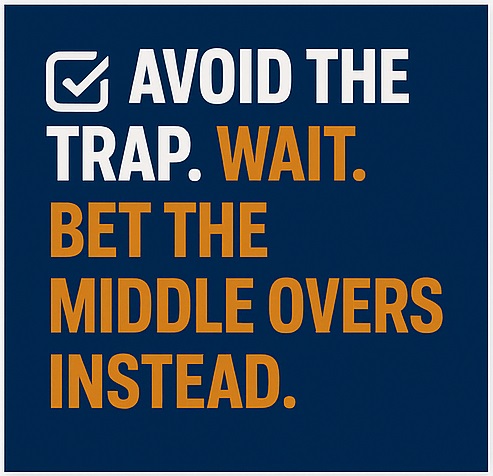
In order to bet on cricket intelligently, avoid the chaos and focus on data-rich markets. Powerplays are thrilling to watch, but they’re unpredictable. Instead, consider these more stable, analysis-friendly options.
1. Player Performance Props
Bets like “Player X to score over 28.5 runs” offer cleaner, data-driven evaluations. You can use recent form, pitch history, and match-ups to build a reliable forecast.
2. Middle Overs Totals (Overs 7–15)
This phase is less volatile. The field is more balanced, batsmen build, and bowlers settle into rhythm. Teams tend to play more strategically here, allowing for better modeling and more consistent performance.
3. Bowling Economy Specials
These bets focus on specific bowlers and how many runs they’ll concede in four overs. Unlike early-overs madness, this market allows you to evaluate based on:
- Ground dimensions
- Bowler’s form
- Opponent’s weaknesses
- Conditions (dew, bounce, etc.)
4. Advanced Metrics and Tools
Use platforms like:
- CricViz (in-depth data modeling)
- CricketData.org (live feeds and analytics)
- SmartCricket (wearable tech performance metrics)
These platforms help you dig into match-specific trends and take some randomness out of your betting process. The goal? Shift from reactionary betting to predictive modeling. That’s where your edge lives.

Conclusion: Powerplay Betting Is a Trap… Unless You’re the Bookmaker
Unless you have professional-grade data and a powerful model, betting on the Powerplay is like gambling in the dark. The best strategy? Wait. Observe. Bet smarter later in the innings.
Every cricket bettor wants an edge. The Powerplay looks like one. It’s fast, fun, and feels controllable. But that’s exactly why it’s so dangerous. It seduces you with immediacy and punishes you with randomness.

The Powerplay is exciting. That’s why it’s a trap. It’s where emotion overrides logic and where sports books quietly clean up. Powerplay lines are mispriced in a subtle way. They look fair, but outcomes don’t match the odds. The house knows this. They set the trap and wait.
Even worse, these bets feed off emotion. Bettors act on impulse, hype, and broadcast narratives. They react to short-term momentum instead of long-term data. The result? A string of bad bets that feel smart but bleed profit over time.
There’s a reason serious bettors skip the first six overs. They wait. They watch. Then they strike when conditions are stable, data is clearer, and the market offers true value. So, the next time you’re tempted to drop cash on a Powerplay total, remember this: just because it’s early doesn’t mean it’s easy.
Because in cricket betting, patience gives you the inside edge. Unless you’re armed with granular, player-specific situational data, and can model variance, you’re better off waiting out those six overs. Smart bettors know: the best bets are often the ones you don’t make.
To find out which U.S. states allow legal cricket betting, click here to view the full list and current regulations.
Want to Dive Deeper into the World of Cricket Betting?
If you’re serious about turning insight into edge, Cricket Betting Tips by Wes Wynn is your next must-read. Packed with strategies from someone who’s been in the trenches, this book breaks down how to think like a bookmaker—and beat them at their own game. Buying through our affiliate link at Bookshop.org supports indie bookstores and 365NotOut’s mission to bring smarter cricket content to fans like you. Grab your copy HERE.

Want an Edge the Bookies Don’t See Coming?
Understanding Major League Cricket (MLC) in the U.S. gives you access to a fast-growing, under-analyzed market where sharp data is scarce and opportunity is high. With fewer bettors and limited oddsmaker attention, those who study MLC can find real value others overlook. Learn what makes MLC different HERE.