



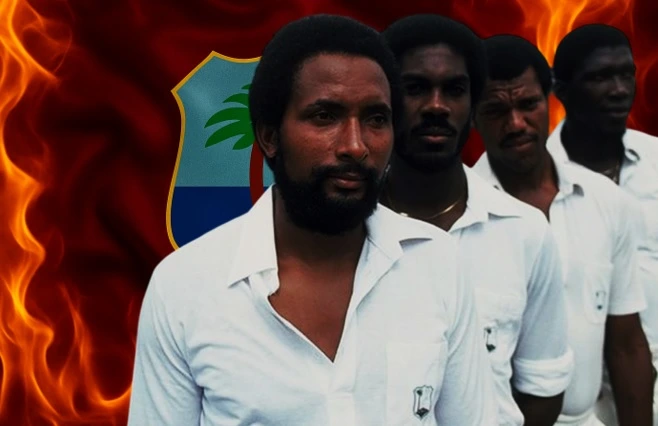
Reigniting the Glory and Legacy of West Indies Cricket.
West Indies cricket is a story of passion, resilience, and undeniable talent. From humble colonial beginnings to periods of global dominance, it has captured the hearts of millions. Yet in recent years, the flame has dimmed, and the region faces a pivotal crossroads. What follows is a decisive, five-point blueprint to restore West Indies cricket to its rightful place atop the sport; and it is a journey every fan needs to understand.
From Colonialism to the Black Bradman
West Indies cricket began in the shadow of empire. Introduced by British colonizers in the 19th century, the sport quickly took root across the Caribbean in the social clubs of the white elite. Early cricket in the region reflected the racial hierarchies of colonial society, where Black and Indo-Caribbean players were largely excluded from meaningful roles. Yet by 1886, the region had taken its first bold step onto the international stage, as a team of West Indian cricketers toured Canada and the United States, laying the foundation for a future powerhouse.
The first West Indies cricket tour of England in 1900 was a symbol of that order. The team was multiracial, but led by white amateurs and backed by private funding. They played 17 matches, none of them with first-class status, and while the results were mixed, the public reception back home was one of national pride. Newspapers followed their progress closely, and the players returned to hero’s welcomes. For many Caribbean fans, this was the first glimpse of the region’s sporting identity on a global stage — even if the team had no official standing.
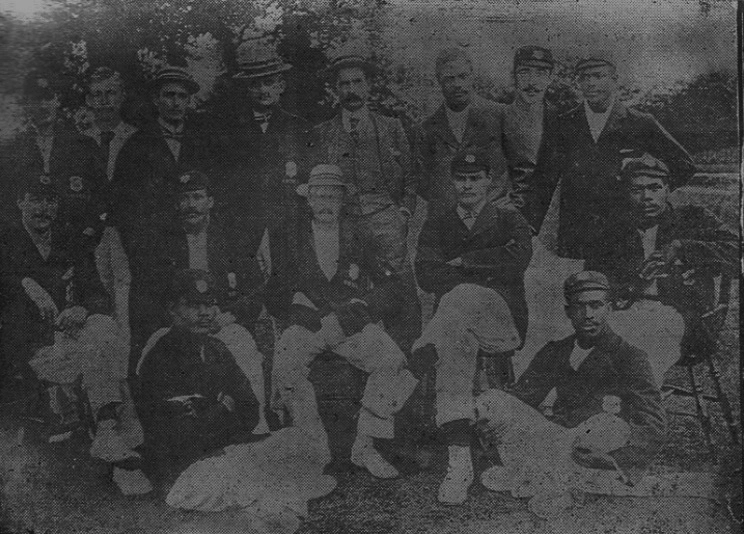
That changed in 1926, when the West Indies were granted full membership in the ICC, finally recognized as a Test-playing nation. But victories were rare, and the team struggled to compete with England and Australia. The structure of West Indies cricket remained divided along class and racial lines, and leadership stayed in the hands of the privileged few.
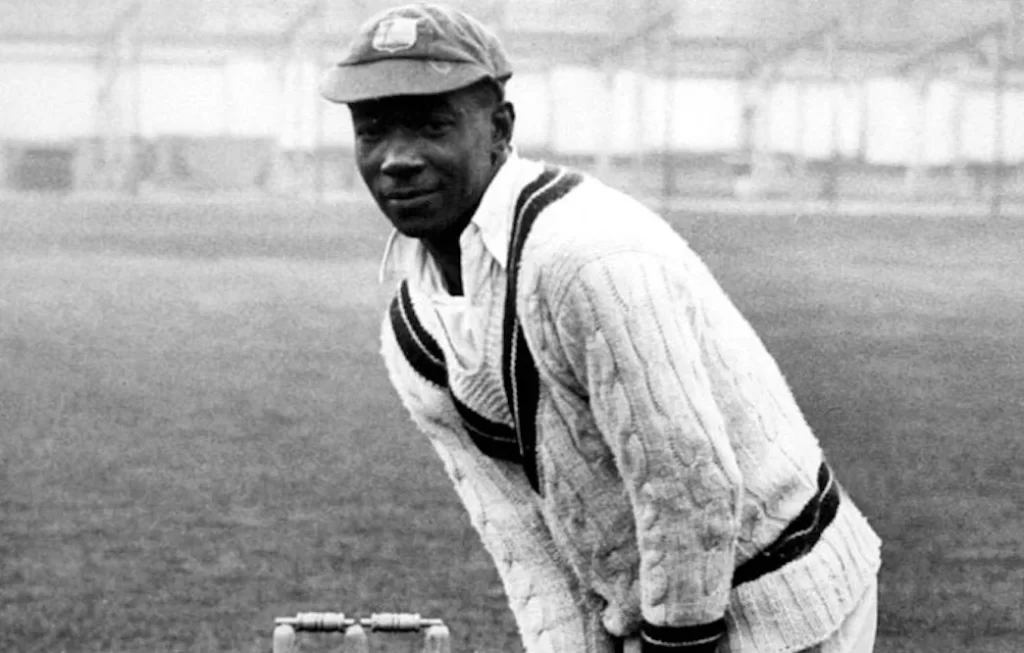
Then came George Headley. Born in Panama and raised in Jamaica, Headley debuted in 1930 and transformed the image of Caribbean cricket. He was calm, precise, and technically unmatched. By the time he was 30, he was averaging over 60 in Test cricket — an achievement rivaled only by Don Bradman himself. But unlike Bradman, Headley didn’t have a deep lineup behind him. He carried the West Indies in a time of isolation and imbalance.
Headley’s rise gave the West Indies something they hadn’t yet had: legitimacy. He was the first great Caribbean cricketing icon, and the first to force British commentators to recognize the region’s raw talent. For a generation still living under colonial rule, Headley represented a statement that the islands could produce genius. The structure hadn’t yet caught up with the players, but the fire was lit.
The Rise of Caribbean Pride
In the mid-20th century, West Indies cricket became a reflection of growing Caribbean confidence. The islands were still under colonial rule, but the game was no longer controlled by colonial culture. Cricket fields turned into stages where West Indian identity took shape.
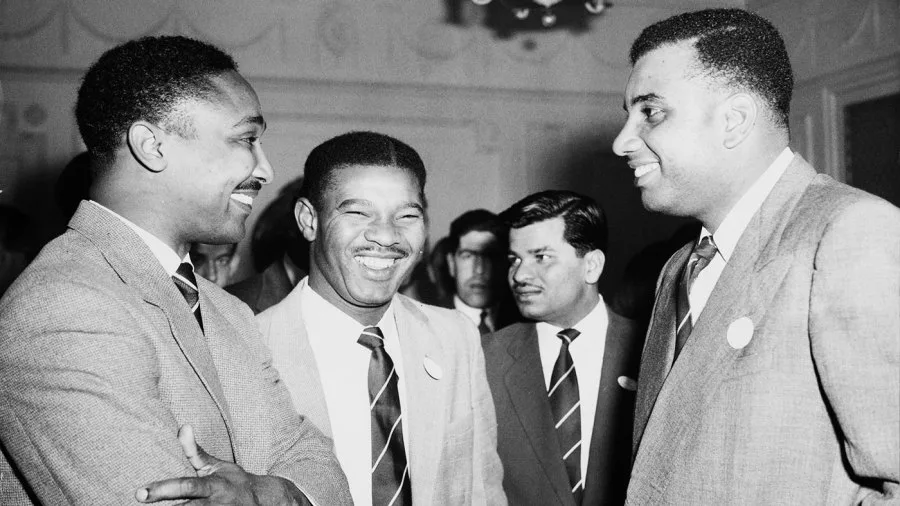
This period produced three players who came to define the era: Frank Worrell, Everton Weekes, and Clyde Walcott. All three were born in Barbados within 18 months of each other. Weekes scored five consecutive Test centuries and batted with unmatched hunger. Walcott was a commanding force in the middle order. Worrell brought intelligence, calm, and leadership. Together, they became known as the Three Ws, forming the core of a team that began to challenge and defeat the old powers of world cricket.
Before their rise, Ken “Bam Bam” Weekes made history in 1939 as the first U.S.-born cricketer to play Test cricket for the West Indies. He was a stylish batsman with clear potential, but his career was cut short by the outbreak of World War II. His brief presence on the international stage was a reminder that West Indies talent stretched far beyond the boundaries of the islands.
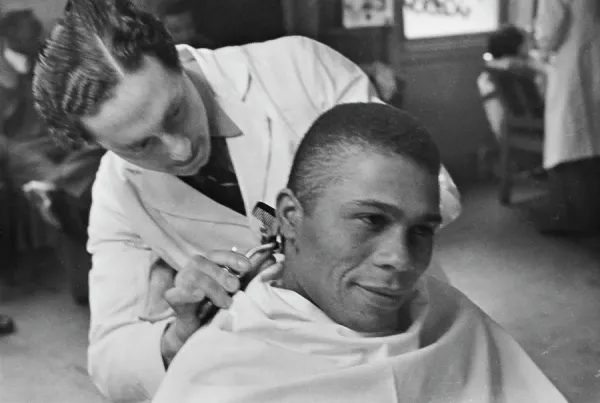
In 1960, Worrell was appointed the first Black full-time captain of the West Indies. His leadership transformed the team. The 1960–61 tour of Australia became one of the most celebrated series in cricket history. The First Test in Brisbane ended in a first-ever tie, and the series earned global respect for its intensity, fairness, and brilliance. The West Indies lost that series, but the team gained international admiration for the way they played. The squad carried themselves with style and seriousness, and the public embraced them as a unified symbol of the Caribbean’s potential.
As the region approached independence through the 1950s and 1960s, cricket mirrored that journey. A run scored or a wicket taken stood for something larger. Crowds in Kingston, Port of Spain, and Bridgetown rallied behind their players as representatives of a rising people. Worrell’s elevation to captain was a clear signal of change. He gave the region a leader it could follow on and off the field.
The victories in this era were often hard-earned. The West Indies were no longer passive participants in the sport. They were becoming serious contenders, backed by talent and a growing sense of purpose. Cricket helped form a regional identity long before formal political unity was possible. By the end of the 1960s, the Three Ws had stepped away, and new leaders had yet to emerge. The foundation was built. What followed would become legend.
The Fire in Babylon
The 1970s and ’80s marked West Indies cricket’s rise to near-invincible dominance under captain Clive Lloyd. Lloyd assembled a squad blending raw power, skill, and relentless aggression that struck fear worldwide. Central to their success was the legendary fast bowling quartet: Andy Roberts, Michael Holding, Joel Garner, and Malcolm Marshall. Their pace, accuracy, and intimidating “bodyline”-style bowling redefined fast bowling. They used short-pitched deliveries to unsettle batsmen physically and mentally, an approach echoing the controversial tactics England used against Australia in the 1930s but now wielded with deadly skill and discipline.
Their dominance is reflected in records that still stand. The West Indies hold the record for the longest unbeaten streak in Test cricket: 27 consecutive Tests without defeat from 1982 to 1989, a feat unmatched to this day. Their relentless pace attack helped them claim two consecutive ICC Cricket World Cup titles in 1975 and 1979, cementing their status as the world’s premier team.
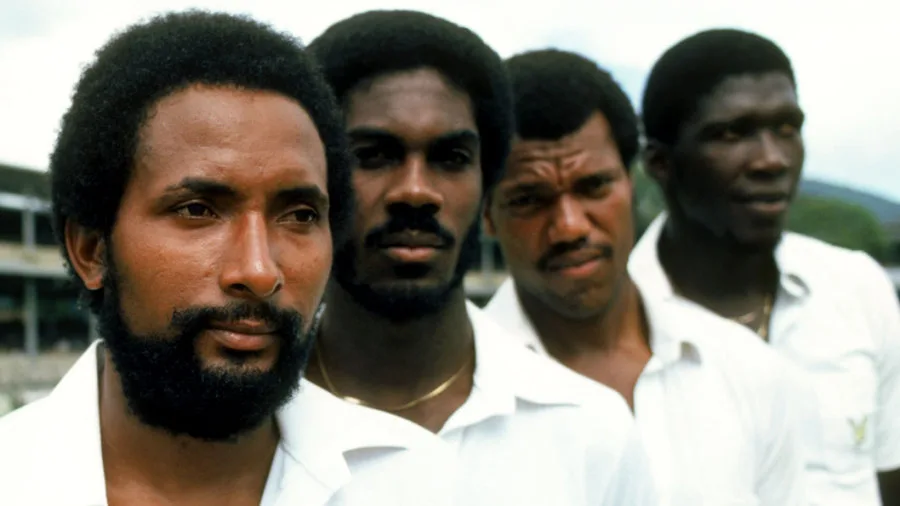
Batsmen like Viv Richards brought unmatched flair and confidence. Richards’ fearless batting style perfectly complemented the team’s aggression and was a statement of Caribbean pride and power. Alongside Richards, legends such as Gordon Greenidge, Desmond Haynes, and Jeff Dujon provided solidity and firepower.
Off the field, the West Indies’ supremacy challenged racial stereotypes and colonial-era assumptions. Their dominance became a source of pride and inspiration for millions across the Caribbean and the wider African diaspora, standing tall amid ongoing social and political struggles. This era defined cultural assertion and unity. The West Indies team declared the arrival of a confident, powerful Caribbean identity on the world stage. The fire that had smoldered in earlier decades was now a blazing inferno, lighting the path for generations to come.
Lost Glory in a Changing Game
After the unmatched dominance of the 1970s and ’80s, West Indies cricket entered a challenging period. The team that once ruled world cricket with power and precision found itself struggling to maintain that edge. The retirement of legendary players left gaps that were difficult to fill, and the game itself was evolving rapidly.
Brian Lara emerged as a beacon during these uncertain years. His talent was undeniable. His record-breaking innings and elegant stroke-play earned him a place among cricket’s greats. Lara’s feats, including his monumental 375 against England in 1994 and the unbeaten 400 against England in 2004, became highlights in an otherwise faltering team. Yet even with Lara’s brilliance, the West Indies could not reclaim their former dominance in Test or One Day International cricket.
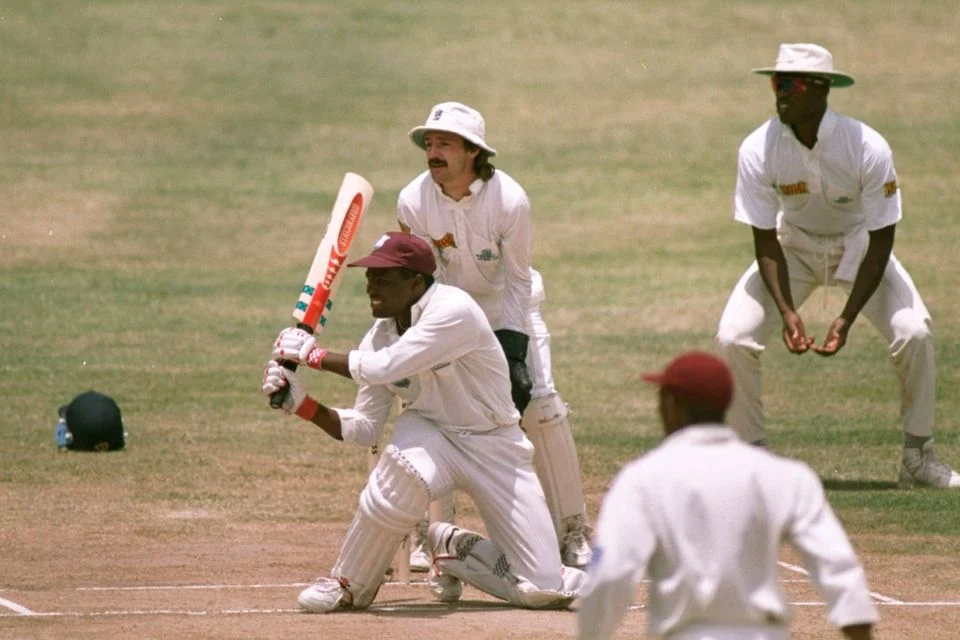
Simultaneously, the rise of Twenty20 cricket began reshaping the sport globally. The shorter format demanded different skills, and West Indies players like Chris Gayle adapted quickly. Gayle’s explosive batting style made him one of T20’s first global superstars, shining brightly even as the national team’s overall performance lagged behind. His success on the international T20 stage hinted at a new direction for Caribbean cricket.
Despite individual stars, the team faced organizational challenges and inconsistent results. The West Indies struggled to keep pace with evolving international standards, and their reputation as cricketing giants faded. Losses mounted in Test matches, and tournament victories became rare. This era was marked by many contrasts of extraordinary individual achievements shadowed by collective underperformance. The passion of West Indies cricket fans remained strong, but the team’s lost glory was undeniable. The foundation laid by past legends needed rebuilding for a new era.
The Double Edge of Success
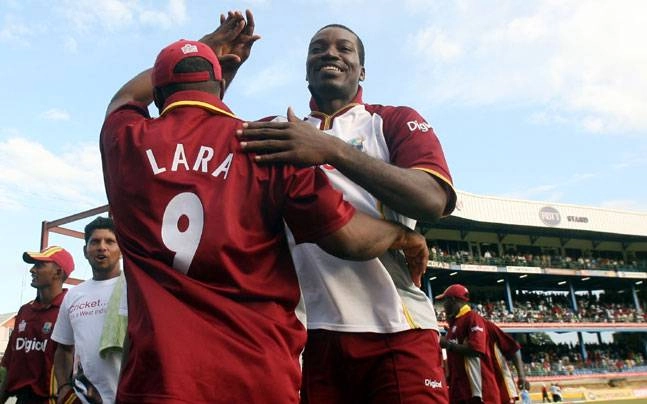
The 2010s marked a new chapter for West Indies cricket, defined by explosive success in Twenty20 cricket and ongoing challenges in longer formats. West Indies quickly became the most electrifying team in T20, thrilling fans worldwide with aggressive batting, fearsome bowling, and charismatic stars.
Chris Gayle emerged as the face of this transformation. His towering sixes and relaxed confidence made him a global icon and one of the most feared batsmen in T20 history. Alongside Gayle, players like Andre Russell, Dwayne Bravo, and Sunil Narine brought all-round skills that helped the West Indies clinch two ICC World T20 titles in 2012 and 2016, making them the only team to win back-to-back T20 World Cups so far. This was a rare feat in international cricket that underscored their dominance in the format.
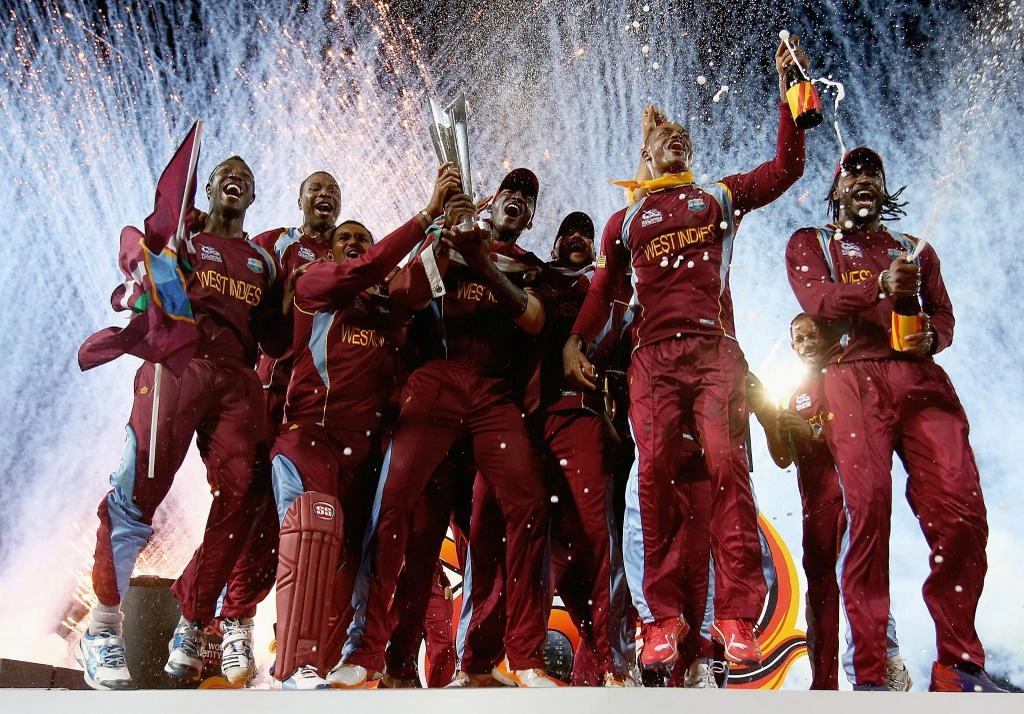
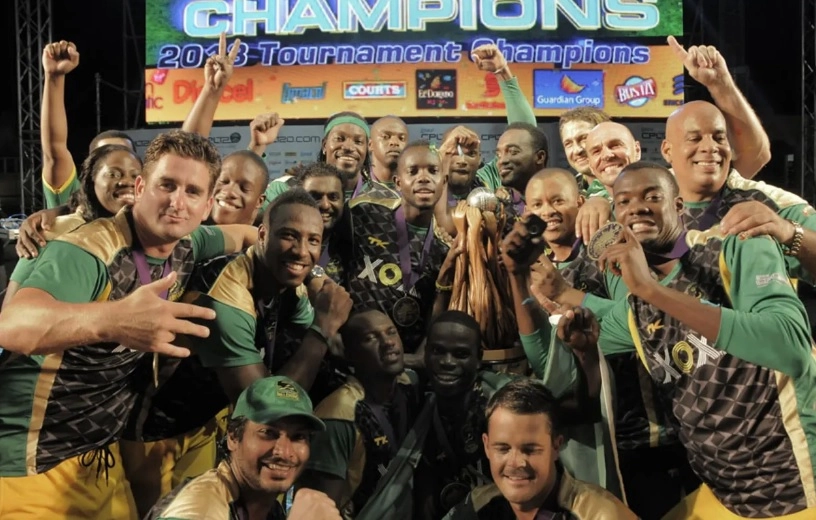
Central to this success was the Caribbean Premier League (CPL), launched in 2013. The CPL provided a platform for young talent to develop and for established stars to showcase their skills. It also became a lucrative commercial venture, increasing cricket’s visibility in the region and beyond. The league fostered fierce local rivalries and expanded the game’s appeal to new audiences, including significant diaspora communities.
Yet, beneath the T20 triumphs lay a team still struggling in Tests and ODIs. West Indies cricket continued to face inconsistent leadership, player availability issues, and governance challenges. The glory of T20 success often masked deeper problems in the longer formats, where the team failed to reclaim its once-dominant position. The contrasting fortunes highlighted a tension within West Indies cricket, the excitement and financial rewards of T20 versus the enduring prestige and tradition of Tests and ODIs.
While T20 offered a lifeline and renewed international relevance, it also risked sidelining the development and commitment required for success in all formats. As the decade closed, West Indies cricket stood at a crossroads. The thrilling highs of T20 success had restored hope, but the broader team’s struggles demanded urgent attention to regain consistent excellence across the cricketing spectrum.
Embers in the Dark
By 2020, the flame that once defined West Indies cricket had all but vanished. The COVID-19 pandemic disrupted tours, halted development, and pushed the regional game further into instability. Matches were canceled, players withdrew, and the already stretched infrastructure across the Caribbean buckled under pressure.
In the years that followed, retirements came in waves. Chris Gayle, Dwayne Bravo, Sunil Narine, and Andre Russell – the defining figures of the T20 era – began to fade from the international stage. Their exits left a vacuum of experience, leadership, and identity. Replacements came and went, but no core emerged. The team lacked consistency in selection and direction.
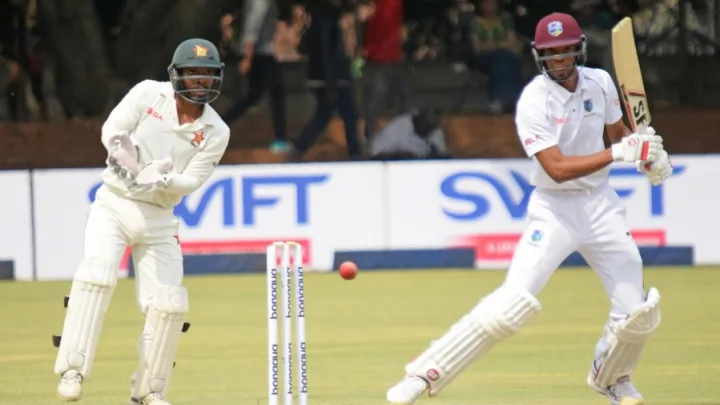
Losses mounted across formats. Test defeats to Bangladesh and Zimbabwe, group-stage exits in World Cups, and a series of disjointed white-ball performances pushed the West Indies further down the rankings. The energy that once surrounded the team had thinned. Stadiums were quiet and confidence was gone.
Off the field, long-standing governance issues continued to haunt the program. Conflicts between the board and senior players resurfaced. Development pathways were underfunded. The Caribbean Premier League, once a source of renewal, had begun to stagnate. Analysis from ESPNcricinfo and regional outlets painted a grim picture: one of mismanagement, uncertainty, and decline. From 2023 through 2025, West Indies cricket reached its lowest point in decades. It became clear that West Indies cricket needed to stay relevant in a fast-changing global game. The next chapter would need clear, deliberate action.
The Five Keys to Reigniting the Flame
West Indies cricket faces its greatest challenge in decades, but the path forward is clear. To reclaim its place on the global stage, the region must focus on five key pillars: reinvesting in youth development, rebuilding trust and regional identity, seizing international opportunities, expanding the CPL’s global footprint and diaspora engagement, and launching a bold U.S. expansion with a Miami-based franchise. Together, these strategic moves offer the blueprint to reignite the flame of West Indies cricket and secure its future for generations to come.
Youth Movement and Reinvestment
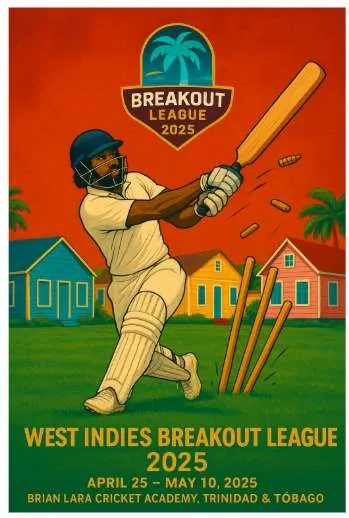
The future of West Indies cricket depends on the talent and energy of its youth. Years of neglect in grassroots development have taken a toll, but the region remains fertile ground for raw ability. The next generation requires structured programs, year-round coaching, and competitive opportunities that prepare them for the global stage.
To regain its competitive edge, West Indies cricket must prioritize funding for academies and youth leagues across all member nations. Jamaica, Trinidad, Guyana, and smaller islands all hold untapped promise that could reshape the regional balance of power. Revamping the domestic four-day competition is critical to developing players who can succeed in all formats.
This reinvestment must be backed by modern training methods and scientific approaches to fitness, nutrition, and mental conditioning. Only with a full rebuild from the grassroots up can the West Indies hope to produce a steady stream of players ready for international success.
Rebuilding Trust and Identity
Talent alone will not restore West Indies cricket without a culture of trust and unity. The fractured relationship between players, administrators, and fans has undermined progress for too long. Contract disputes and inconsistent selections have created an environment where stability is rare.
The solution begins with transparent governance and clear leadership. Cricket West Indies must work hand-in-hand with players to create a shared vision that respects the region’s unique multi-island identity. Former stars from the successful T20 era should be integrated into coaching and advisory roles, helping bridge generations.
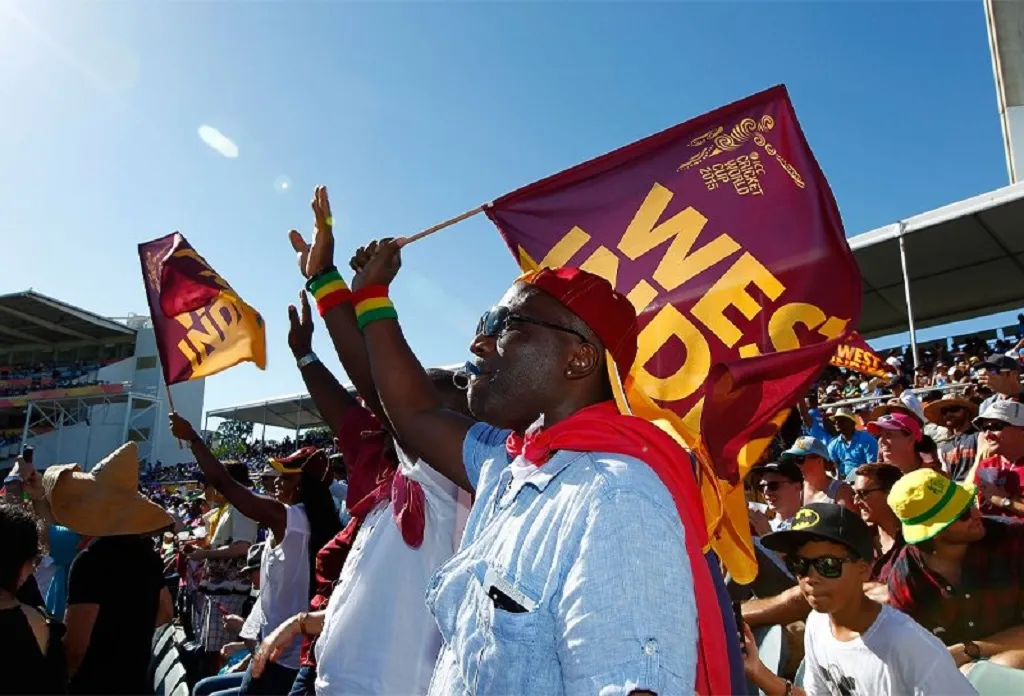
Rebuilding identity means reaffirming what it means to wear the maroon cap, a symbol that transcends individual islands and unites millions. Regional pride must be cultivated deliberately through community engagement and transparent decision-making, so players and fans alike feel part of something bigger than themselves.
International Opportunities and Expansion
Cricket’s landscape is evolving rapidly, and West Indies cricket must adapt to remain relevant. Players from the region are already among the most sought-after commodities in global T20 leagues, yet the region has not fully capitalized on this commercial potential.
To succeed, the West Indies must view itself as a global brand. The Caribbean Premier League (CPL) has laid the groundwork, but it needs to grow beyond the islands. Expanding broadcasting deals, forging partnerships with overseas leagues, and investing in cross-border player development can amplify the region’s influence.
A global footprint also means engaging the large Caribbean diaspora in cities such as New York, Toronto, and London. These communities maintain strong ties to West Indies cricket and represent a significant fan base waiting to be activated.
The CPL’s Global Footprint and Diaspora Engagement
The CPL’s success has proven that Caribbean cricket retains international appeal. However, its potential extends far beyond its current footprint. The league must embrace its role as an ambassador of Caribbean culture, both on and off the field.
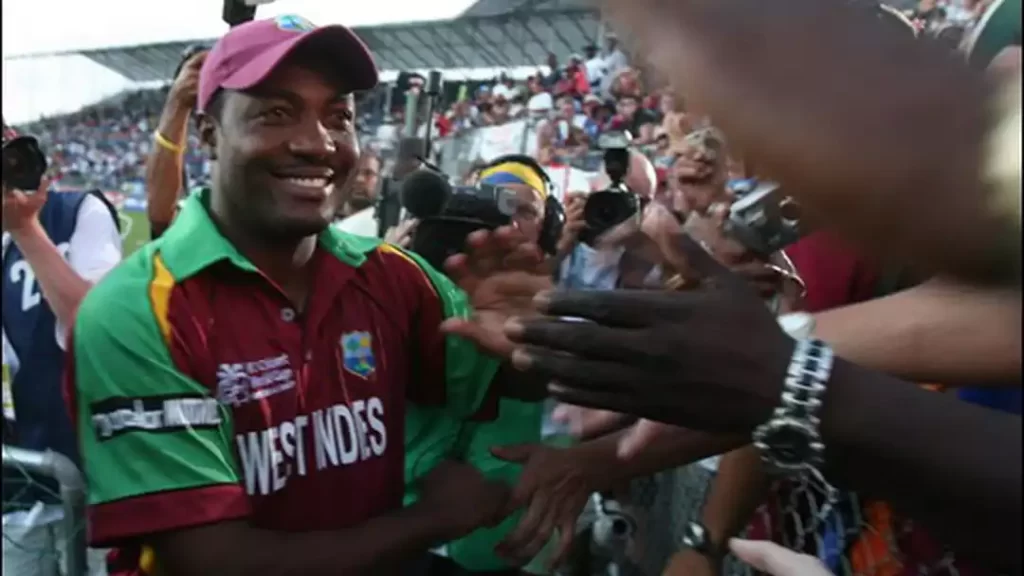
A key to this is engaging diaspora communities worldwide. By hosting matches abroad, collaborating with diaspora-owned media, and creating digital content tailored for global audiences, the CPL can build deeper connections with fans who no longer live in the Caribbean but remain passionate supporters.
This expanded reach will boost commercial revenue through sponsorships and broadcasting rights while strengthening player pathways. It will also ensure that West Indies cricket remains culturally relevant in an increasingly globalized sport.
The U.S. Expansion Plan: Miami and Broward County
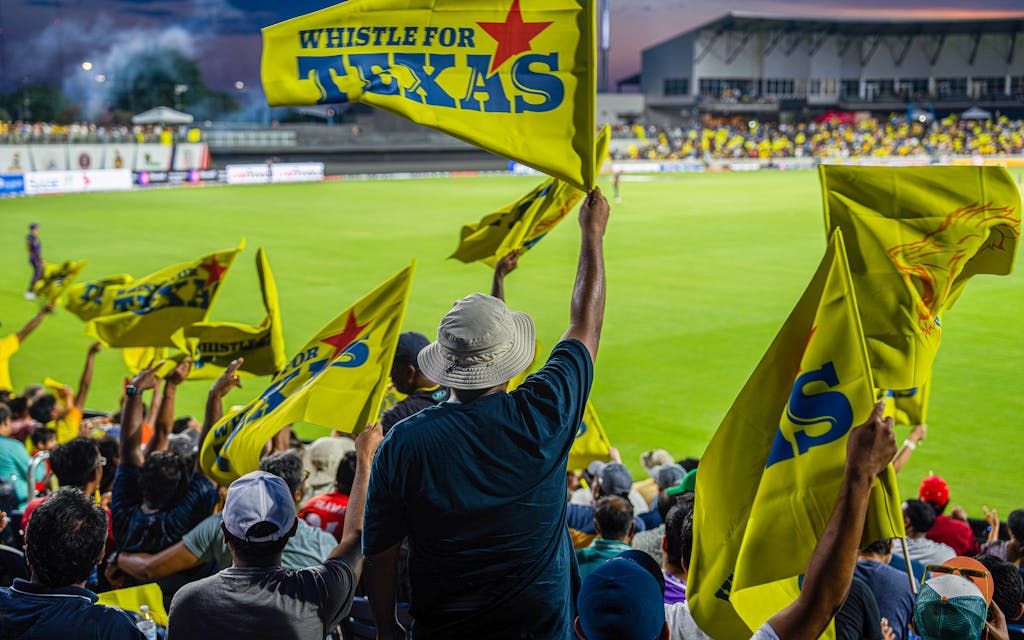
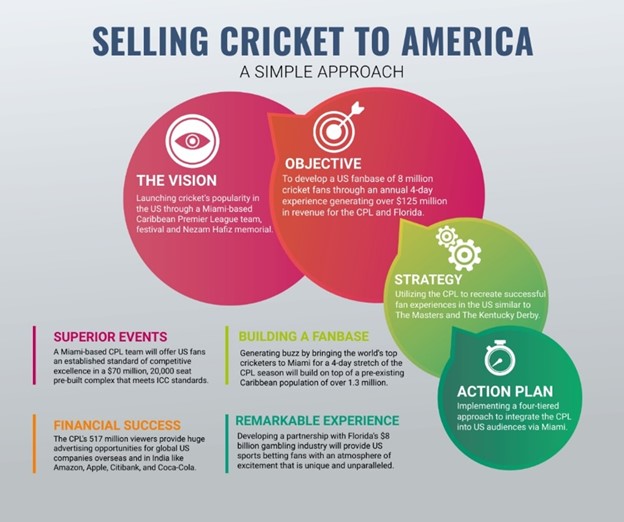
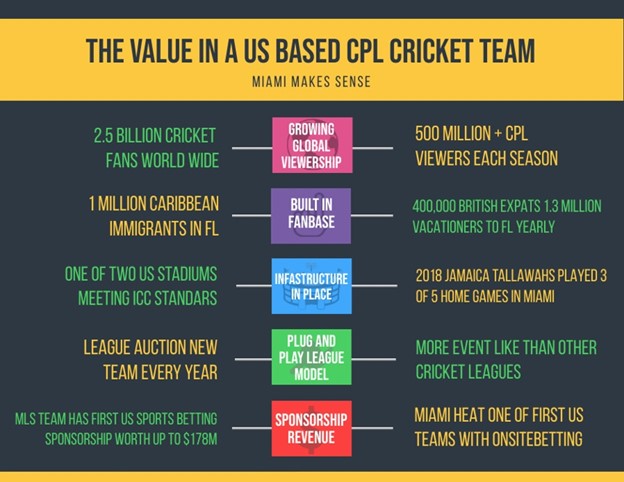
South Florida offers West Indies cricket its most promising new frontier. Broward County is home to Central Broward Regional Park, the only ICC-accredited cricket stadium in the United States. More importantly, the area hosts one of the largest Caribbean diaspora populations in the world which is a natural extension of the West Indies cricket community.
The Caribbean Premier League has staged matches here since 2016, with strong local support and growing enthusiasm. A permanent Miami-based CPL franchise would deepen these roots, turning casual interest into lasting loyalty.
This franchise would offer a platform for Caribbean-American youth to see themselves reflected in cricket stars, bridging generations and geographies. Local academies and school programs tied to the team would nurture homegrown talent while expanding the CPL’s commercial footprint through U.S.-based sponsors, media rights, and merchandise.
Embedding a team in Miami also positions West Indies cricket to compete with emerging American leagues like Major League Cricket, offering authenticity and regional heritage that no other team can match. Ultimately, this expansion will sustain the culture and competitive spirit of West Indies cricket in the 21st century. The flame has dimmed, but with strategic growth into the United States, there is every reason to believe it will burn as bright as ever.
Conclusion: Rekindling the Spirit of West Indies Cricket
From colonial beginnings to the dizzying heights of dominance, through periods of decline and revival, West Indies cricket has always embodied Caribbean identity, pride, and resilience. Today’s challenges are real, but they are not insurmountable.
We have traced the journey from early heroes to modern struggles, highlighting eras of brilliance and times of darkness. Now, the future depends on decisive action: nurturing young talent, restoring unity, embracing global growth, and boldly expanding into new frontiers like the United States.
The fire that once burned at Queen’s Park Oval and Sabina Park can burn again, stronger and brighter. The pieces are in place. The passion endures. What remains is leadership, vision, and commitment to turn potential into performance.
West Indies cricket stands at a pivotal moment, a chance to redefine itself on the world stage and capture the imagination of a new generation. The flame is waiting to be fanned. The question is not if it will rise, but how brightly it will blaze. And the time to act is now.
Why The Unforgiven Still Matters
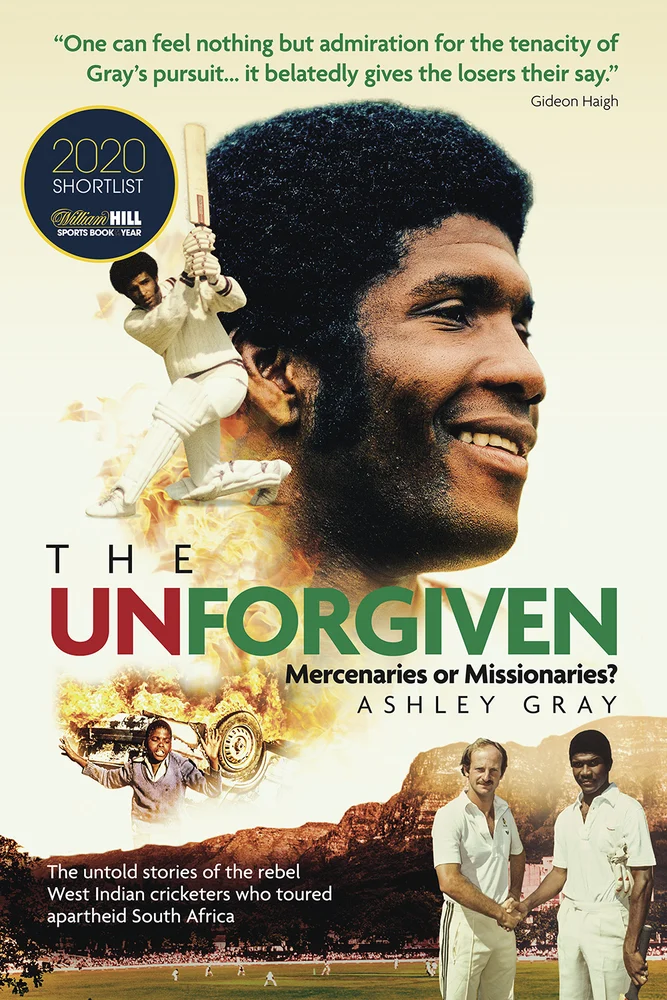
The Unforgiven by Ashley Gray tells the story of the West Indian cricketers who toured apartheid South Africa in the 1980s — and were banned for life because of it. These rebel tours exposed deep cracks in West Indies cricket: issues of inequality, division, and mistrust that still linger today.
Reading this book helps explain how those tensions shaped the decades that followed. If we want to rebuild West Indies cricket, we have to understand where things broke. The Unforgiven is a key part of that history.