




South African Cricket’s Long Road
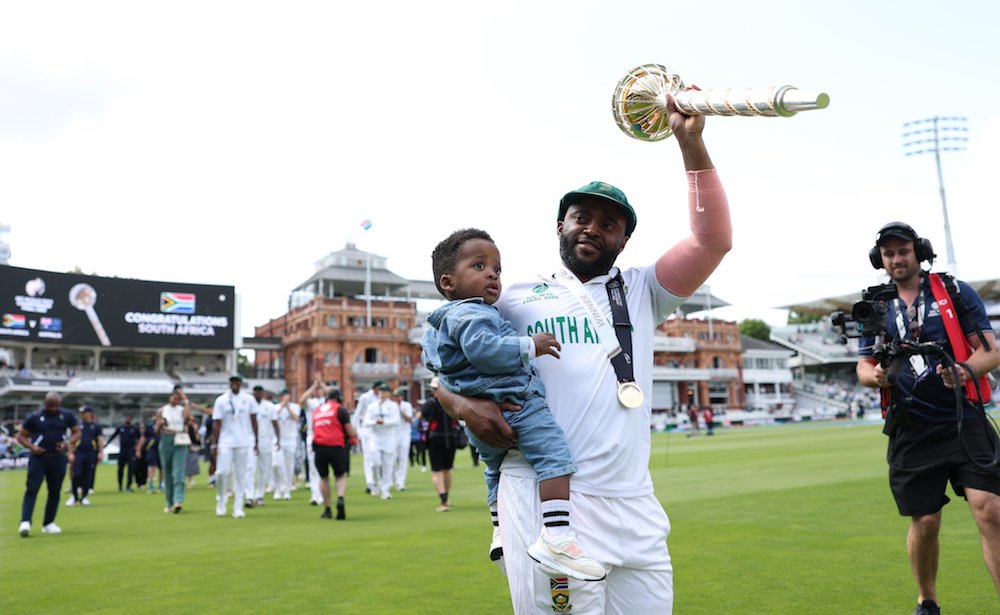
On June 14, 2025, four days before America’s federal Juneteenth holiday, the South African national cricket team lifted the ICC World Test Championship mace, a crowning moment in the country’s turbulent cricketing history. Under the captaincy of Temba Bavuma—the first Black African to lead the Proteas in Test cricket—the win was more than a sporting triumph. It was a historic marker of reconciliation, healing, and belonging. For a nation long torn by racial divides, where cricket once symbolized exclusion, Bavuma’s leadership and the team’s success heralded a new chapter.
But this victory didn’t come easily. It was the culmination of over a century of struggle, transformation, and resistance. South African cricket’s story is intertwined with the country’s broader political and social evolution: from its colonial foundations and apartheid-era isolation to modern reforms aimed at equity and inclusion. Understanding the past makes Bavuma’s rise—and the team’s unity—far more powerful.
Colonial and Racist Foundations
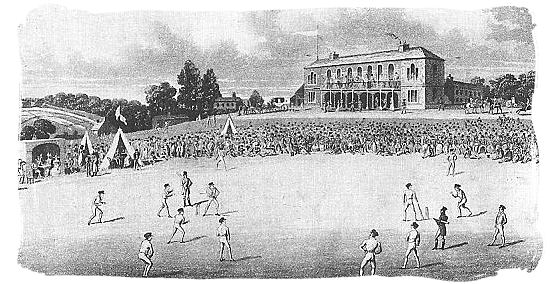
Cricket arrived in South Africa in the early 19th century via British colonial settlers. What began as a genteel pastime for the colonial elite quickly became a cultural institution, entrenched in racial hierarchies. By the late 1800s, cricket was the domain of white South Africans, while Black, Indian, and other players of color were marginalized—if not outright excluded.
In 1889, South Africa played its first official Test match against England, becoming only the third nation to attain Test status. However, this team was exclusively white, and for decades, South Africa’s place in international cricket would reflect the racist politics of the time.
Racial segregation in domestic cricket became codified long before apartheid formally began. Separate leagues were established for different racial groups, and access to facilities, coaching, and competitive opportunities was starkly unequal. The white-controlled South African Cricket Association (SACA) refused to recognize the contributions of non-white players, many of whom played in vibrant but under-resourced parallel leagues.
Cricket wasn’t just segregated—it was a tool of social engineering. As historian André Odendaal notes in The Story of an African Game, “cricket in South Africa became a site where the British ruling class could reproduce its cultural dominance.”
Apartheid’s Shadow: Domestic Segregation and International Boycott
With the official institution of apartheid in 1948, cricket—like every other facet of South African life—was further racialized. The state ensured that national representation in cricket was restricted to whites only. Black and Coloured athletes were denied not just access to national teams, but to the infrastructure that could allow them to rise through the ranks.
By the 1960s, international condemnation of apartheid grew stronger. A turning point came in 1968 when South Africa refused to allow Basil D’Oliveira—a South African-born Coloured player representing England—to tour with the English side. The incident sparked outrage and marked the beginning of South Africa’s isolation from international cricket.
In 1970, the ICC suspended South Africa from international competition. This isolation was not just symbolic; it meant an entire generation of South African cricketers never played against international opposition, and non-white players remained locked out of elite opportunities. According to historian Douglas Booth in The Race Game, “the exclusion of South Africa from international sport served to delegitimize apartheid globally.”
South African Rebel Tours and Donald Bradman’s Stand
Despite the official boycott, South Africa pursued competition through “rebel tours” during the 1980s. Teams from England, Sri Lanka, the West Indies, and Australia toured unofficially, lured by financial incentives. These tours were widely condemned. Most controversially, the South African government created “fake” multiracial teams to present an illusion of integration, despite entrenched segregation continuing behind the scenes.
Sir Donald Bradman, then chairman of the Australian Cricket Board, took a firm stand. After a 1971 meeting with South African officials, he declared: “We will not play them until they pick a team on merit, regardless of race.” Bradman’s moral stand gave weight to the global boycott and is remembered as a pivotal moment when cricket aligned itself with justice.
The Hansie Cronje Scandal: When Ethics Fell Short
By the late 1990s, Hansie Cronje’s South Africa seemed poised for greatness. Charismatic and devout, Cronje led a competitive, well-respected team. But in 2000, revelations emerged that he had accepted bribes to fix matches. The scandal rocked the nation. Cronje, a symbol of the new South Africa, had betrayed its trust. He was banned for life and died in a plane crash in 2002.
As journalist Neil Manthorp noted, “Hansie was supposed to represent the best of the new South Africa. His fall from grace shook our faith in the system.” Though not racially charged, the scandal delayed healing and raised questions about the integrity of South African cricket leadership.
Voices Silenced: Black and Mixed-Race South African Pioneers
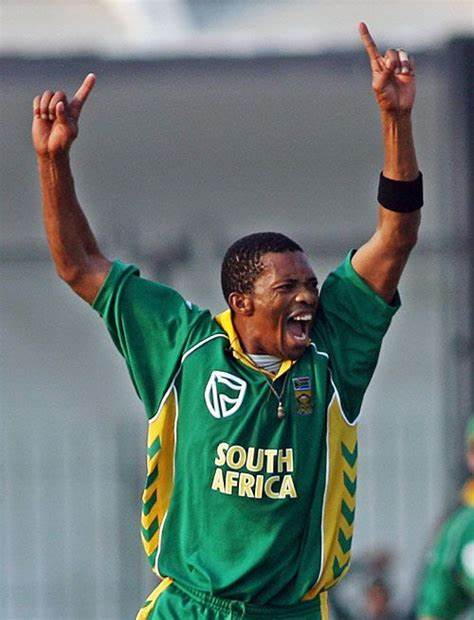
Post-apartheid readmission in 1991 didn’t erase discrimination. Makhaya Ntini, South Africa’s first Black African Test player, later recalled feeling isolated: “I’d sit in the corner alone because nobody wanted to sit next to me.”
Justin Ontong, Ashwell Prince, Paul Adams, and others were often labeled “quota players,” a term that undermined their achievements and reinforced bias. These pioneers faced enormous pressure and subtle marginalization, even while excelling. Their resilience set the stage for true transformation.
From Reconciliation to Transformation: Institutional Reforms
To address systemic inequality, Cricket South Africa introduced reforms including racial quotas, transformation charters, and grassroots development. The 2014 transformation charter emphasized leadership diversity and programs like the Bakers Mini Cricket initiative aimed to democratize talent pipelines.
Critics argued these policies compromised meritocracy. But CSA leadership maintained: “Transformation is not about charity—it’s about justice.” The goal wasn’t just to change who played cricket, but to redefine what South African cricket could be.
A New South African Era Under Temba Bavuma
Temba Bavuma’s appointment as Test captain in 2021 was a watershed. He had already broken barriers with a historic Test century and now symbolized leadership rooted in transformation. Critics questioned his form, but Bavuma led with intelligence, humility, and quiet strength. Under his leadership, players like Kagiso Rabada and Keshav Maharaj thrived.
Their 2025 Test Championship victory wasn’t just a win—it was a statement. A multiracial team had risen together. As Bavuma himself said: “We didn’t just lift a trophy. We lifted the hopes of a nation that finally sees itself in its team.”

Beyond the Trophy: Cricket as a South African Unifier
Temba Bavuma’s Proteas weren’t just a team—they were a symbol. Their championship reflected what South Africa aspires to be: diverse, unified, and proud. Cricket, once a tool of segregation, became a platform for healing. The journey from exclusion to excellence shows how far the nation has come—and how far it can go. The June victory in 2025 didn’t erase the history of the black experience in African cricket’s past, but it redefined the future. South African cricket, like the country itself, now belongs to everyone.
This article was inspired in part by Douglas Booth’s The Race Game, which powerfully illustrates how South African cricket mirrored the nation’s long struggle between segregation and transformation. Douglas Booth’s The Race Game: Sport and Politics in South Africa is a landmark study that explores how sport—especially cricket—was deeply intertwined with the racial politics of apartheid.
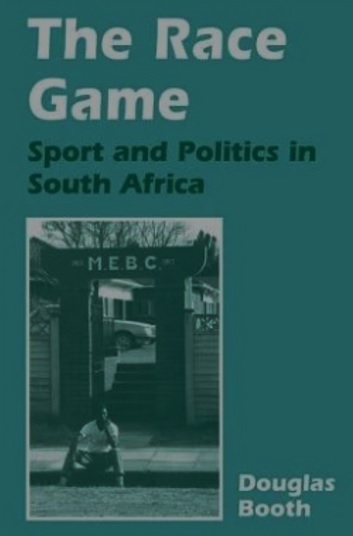
Through meticulous research, Booth reveals how sport functioned not just as entertainment but as a mechanism of social control, cultural resistance, and international diplomacy. He details how institutions like cricket became battlegrounds for both enforcing and challenging segregation, and how global sporting boycotts played a crucial role in isolating the apartheid regime. For readers interested in the broader context behind this article—especially how South African cricket evolved from a tool of exclusion to one of transformation—The Race Game offers essential insights.
You can purchase the book HERE to explore the deeper layers of sport, race, and resistance in South African history. To see a full list of must-have cricket books, click the link HERE.