




In June 1939, the West Indies cricket team arrived in England for a summer tour that was meant to last into September. Three Test matches were scheduled, along with six additional first-class games. Only one of those Test matches would reach a proper conclusion. The rest of the tour was abandoned when Europe moved to the brink of war. International cricket disappeared for nearly seven years, and one player’s remarkable debut was lost in the silence that followed.
Born in Boston, Raised in Jamaica
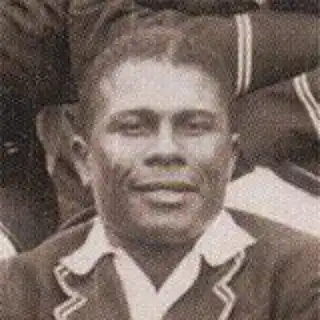
Ken Weekes was a middle-order batsman who played for Jamaica. He joined the West Indies touring side in England that summer and was largely unknown outside of the Caribbean. What set Weekes apart, however, was the location of his birth. He was born in Boston, Massachusetts on January 24, 1912. Weekes was the first American-born cricketer to ever play at Test level. He would also become the only one to score a century in Test cricket.
His unique background connects him to a growing history of American cricketers making their mark internationally. As cricket grows in the United States, many enthusiasts and experts have begun to reflect on the players who might make up the all-time USA Dream XI, a squad that celebrates the best talent with American ties past and present. Ken Weekes, with his pioneering role and exceptional Test record, would undoubtedly be a strong contender for such a squad, bridging the early days of American cricket with its emerging future.
The Tour Collides with History
By the time the West Indies team arrived in England in June 1939, Europe was already on the brink of war. Adolf Hitler had annexed Austria and Czechoslovakia, and tensions were escalating. On August 23, 1939, Germany and the Soviet Union signed the Molotov-Ribbentrop Pact, a non-aggression treaty that shocked the world. Just a week later, on September 1, Germany invaded Poland, prompting Britain and France to declare war. The West Indies’ tour was abruptly canceled, and international cricket came to a halt.
This period also witnessed an extraordinary and largely forgotten cricket tour. In 1937, a team of English amateurs known as the Gentlemen of Worcestershire visited Nazi Germany for a series of matches. Despite Adolf Hitler’s disdain for cricket, an enterprising German enthusiast, Felix Menzel, persuaded Nazi officials to host the tour. The Gentlemen, led by Major Maurice Jewell, played under the looming shadow of Nazi repression and brutality. Their matches, held in Berlin’s Olympic Stadium, were a rare instance of international sport in a country increasingly isolated from the global community.
As the world plunged into war, cricket, like many other aspects of life, was suspended. Ken Weekes’ promising international career was halted before it could truly begin. The sport would not resume until 1946, by which time many of the players from the pre-war era had faded into history.
A Brilliant, Brief Performance
The Test match played at The Oval from August 19 to 22 would become the final international cricket match before the outbreak of World War II. In that match, Ken Weekes led the West Indies with a brilliant score of 137. It was only his second Test appearance, and he had made a promising start earlier in the summer with a knock of 35 at Old Trafford. England won the series opener at Lord’s by eight wickets, but the second and third Tests were both drawn. It would be the final time the West Indies played Test cricket until 1946.
Weekes finished his short Test career with an average of 57.66. His first-class average was 40.25 across 32 matches. He scored four centuries in first-class cricket, and none was more important than the one at The Oval, where the world’s attention was already shifting away from sport. That match would be his last appearance at international level. Once the war began, many players lost their careers, and Weekes was one of them. He was already 27 when the tour began, and by the time international cricket returned, he was no longer in contention.
A Legacy in the Shadows
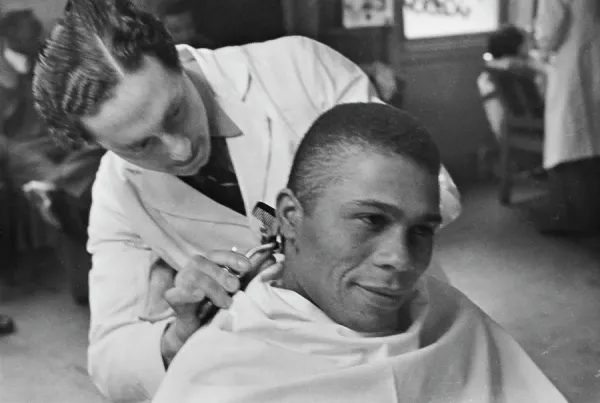
His presence on the 1939 tour is sometimes confused with that of his cousin, Sir Everton Weekes, who would later become one of the most celebrated cricketers in West Indies history. Everton made his debut for Barbados in 1945 and played his first Test the following year. Ken, who had been part of the generation before, was never able to take advantage of the post-war era. But his story offers an important link between West Indies cricket and American history, especially now, as the sport slowly gains traction in the United States.
Despite playing for Jamaica and the West Indies, Ken Weekes lived much of his life in the United States. He was born in New England and died in Brooklyn, New York on February 9, 1998. He remains one of only two American-born cricketers to play at the Test level. His score of 137 at The Oval was not widely celebrated at the time, but it stands today as a significant part of both Caribbean and American cricket history.
Other Lives, Same Tour
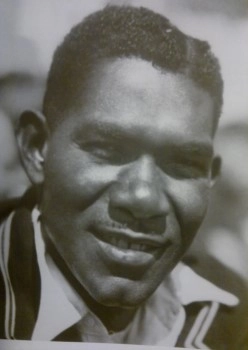
The 1939 West Indies team was not only notable for its cricketing talent but also for the extraordinary and often tragic stories of some of its players. Among them was Leslie Hylton, a fast bowler from Jamaica whose life took a dark and heartbreaking turn long after his playing days.
Hylton remains the only Test cricketer ever to be executed. In 1955, he was hanged in Jamaica after being convicted of murdering his wife, a crime that shocked the cricketing world and the Caribbean community alike. His story is a grim reminder that the lives of athletes extend far beyond the boundary ropes, and sometimes the most tragic chapters unfold away from the public eye.
Leslie Hylton’s life and trial have been explored in depth in our Deadly Overs series, which investigates the darker, often overlooked, side of cricket history. Through this series, we seek to understand the pressures, struggles, and personal tragedies that have shaped some of the game’s most haunting stories.
The 1939 tour, cut short by global conflict, was a crossroads for many players whose lives would be forever altered by events on and off the field. While Ken Weekes shone briefly before war silenced the cricketing world, teammates like Hylton remind us of the complex and sometimes tragic human stories behind the sport.
The Game Moves On
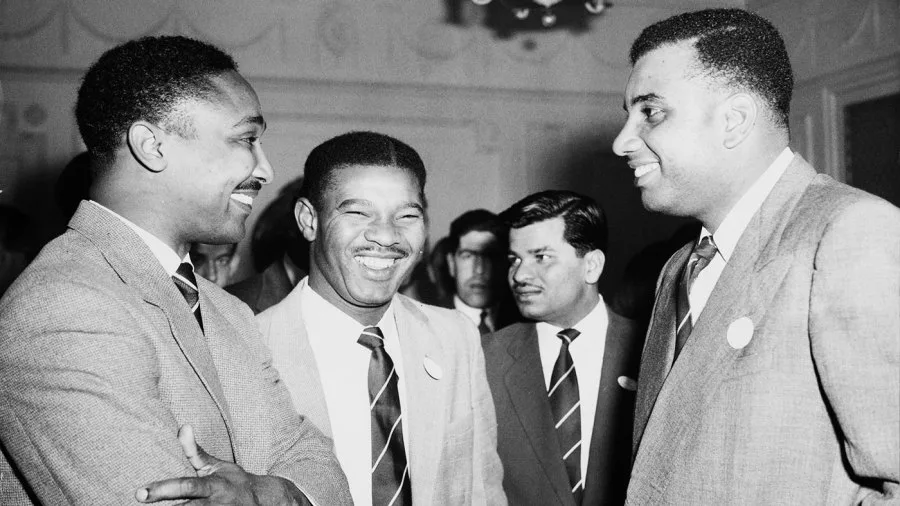
Cricket did not return to normal until 1946. By then, many of the players from the pre-war tours were either retired or forgotten. New stars emerged across the cricketing world. In the Caribbean, a new generation of talent began to rise, including a trio from Barbados who would go on to define the post-war West Indies era. Clyde Walcott, Frank Worrell, and Everton Weekes became known as the Three Ws, a symbol of excellence and unity that helped shape the identity of West Indies cricket in the 1950s and beyond.
Ken Weekes, who was Everton’s cousin, belonged to the generation just before. He had shown signs of the same brilliance, but his time came too early and ended too soon. In the years following the war, the spotlight shifted toward the future. The West Indies entered a golden age, and Weekes became one of the many early contributors whose name was left behind as the game moved forward.
A Place in American Cricket History
Today, with cricket growing once again in the United States, stories like Weekes’ are becoming more relevant. As Major League Cricket tries to build a new domestic audience, and as more young players in American cities take up the game, the connection between West Indies cricket and American soil becomes more meaningful. Weekes is a reminder that American-born players have always had a place in the story of international cricket.
His career was short, and the timing could not have been worse. But for one week in August 1939, in the last days of peace before the world changed, Ken Weekes stood at the crease and produced a century that still stands as a marker of what might have been. He was an American by birth, a Jamaican by experience, and a West Indian by pride. And for anyone writing the early history of American cricket, his name deserves to be at the top.
For more on the early fire of West Indies cricket and how it burned so brightly, read our in-depth look at that post-war legacy in “Where Did the Fire Go?”
Ken Weekes’ Cricket Career by the Numbers
- Test Matches Played: 3
- Total Test Runs: 173
- Test Batting Average: 57.66
- Test Centuries: 1
- Highest Test Score: 137 (at The Oval, 1939)
- First-Class Matches Played: 32
- Total First-Class Runs: 1,497
- First-Class Batting Average: 40.25
- First-Class Centuries: 4
- Highest First-Class Score: 137
Despite a brief international career halted by World War II, Weekes’ Test batting average of 57.66 places him among the most effective batsmen of his era. His impressive first-class numbers reflect a player with genuine skill and consistency, especially considering the disruption his career faced.