




Cricket in the Western Hemisphere has always overflowed with passion yet has rarely moved forward in a straight line. National boards have grown on separate islands of progress, each hoping that its own moment of success might lift the region as a whole. In July 2025 Cricket West Indies announced La Federación de Críquet de las Américas, better known as FECA (or The Federation of Cricket in the Americas). The new federation links more than twenty member nations under one long-range strategy and gives the sport a unified voice while it prepares for a return to the Olympic stage at Los Angeles 2028.
What FECA Is and Why It Matters
FECA functions as a regional council that blends the experience of Cricket West Indies with the ambitions of boards in North, Central, and South America. It will coordinate youth academies, coaching accreditation, tournament calendars, and commercial outreach. Most important, it will serve as a single advocate inside the International Cricket Council, lobbying for qualification pathways and funding streams that reflect the true potential of the hemisphere.
Each national board keeps full authority at home, while FECA manages programs that benefit from scale. A yearly FECA Championship, shared high-performance centers, and cross-border coaching exchanges will create competitive volume that small nations cannot generate alone. Brands can now align with an entire hemisphere instead of one territory. The federation channels scattered energy into collective progress without erasing local identities.

United States Growth and the Rise of Major League Cricket
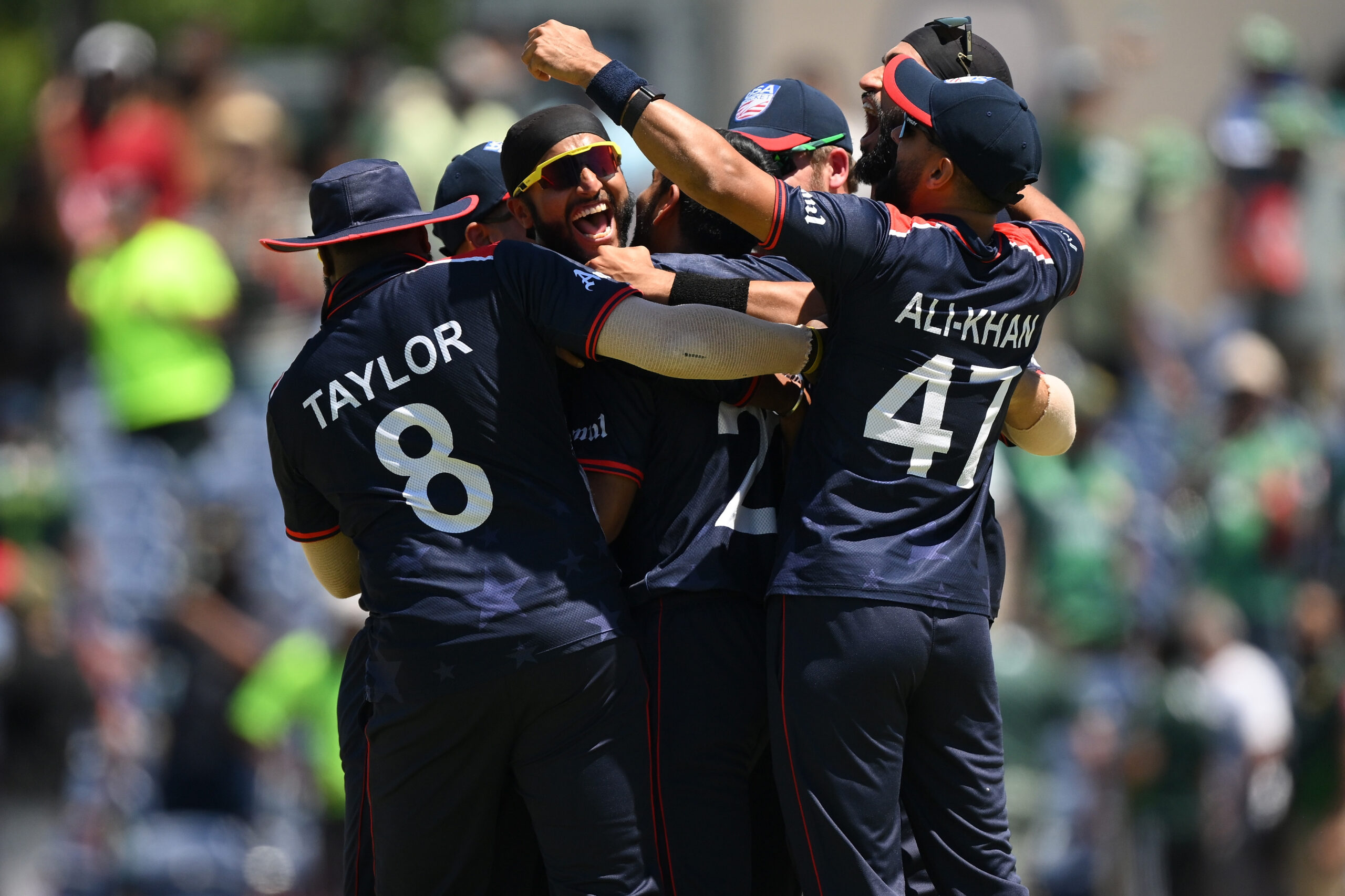
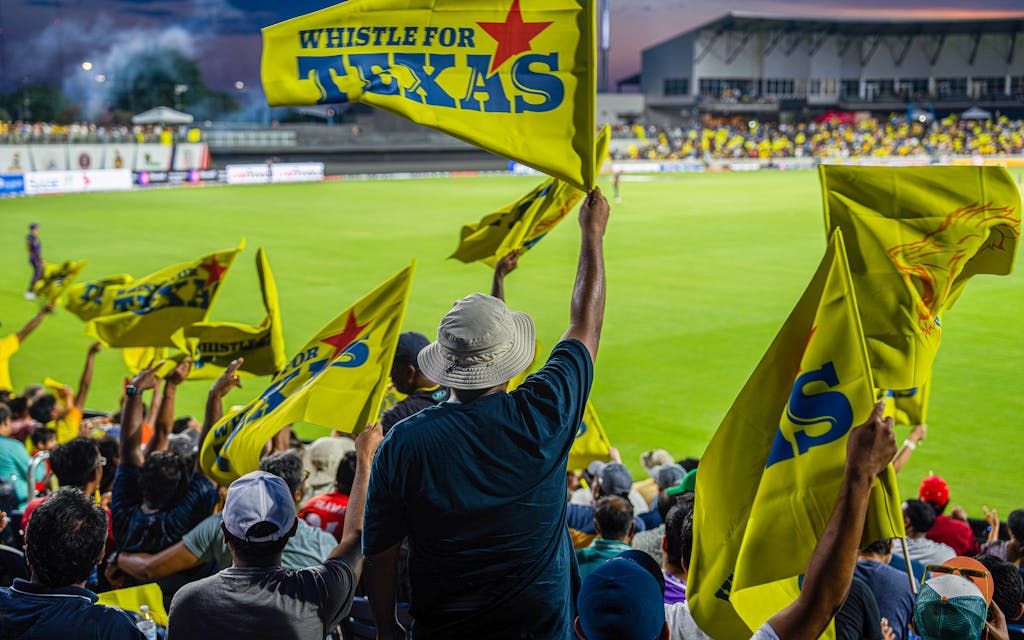
No country shows both promise and complexity more clearly than the United States. Major League Cricket launched in 2023 with strong digital audiences, modern venues in Texas and North Carolina, and a player pool that mixed international stars with homegrown talent. Investment flows from technology founders, South Asian diaspora entrepreneurs, and established sports ownership groups that see cricket as North America’s next growth property.
Grass-roots momentum is expanding alongside the professional game. Youth participation in California, Texas, and the Mid-Atlantic has doubled since 2021, and more than forty varsity high-school programs are set to debut by 2026. USA Cricket still faces administrative resets and funding gaps, yet its playing base grows deeper every season. FECA supplies United States cricket with regional partners that can deliver regular fixtures, shared coaching resources, and combined sponsorship pitches—steps that accelerate progress without forcing USA Cricket to build every structure from scratch.
Explore Major League Cricket, the emerging professional league transforming the landscape of American cricket in this article.
West Indies at a Crossroads
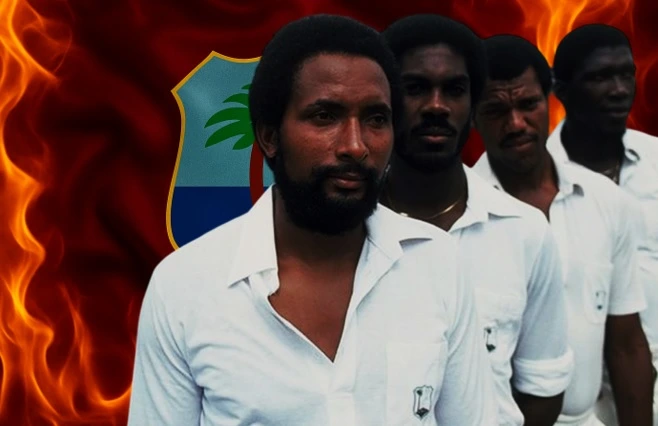
While the United States rises, West Indies cricket confronts its sternest test in decades. The men’s team missed the 2023 Cricket World Cup, an unthinkable result for a collective that once dominated the sport. Domestic first-class schedules shrink under tight budgets, and many emerging players depart for global franchise leagues. Stadium upkeep and inter-island travel costs strain several territorial associations.
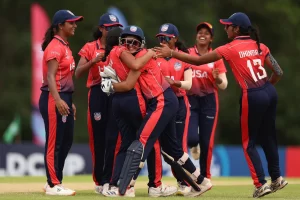
Cricket West Indies understands that leadership grounded in nostalgia will not restore competitive edge. FECA stands as one pillar of a broader renewal plan that also funds regional academies and an expanded Women’s Caribbean Premier League. By helping neighbors thrive, CWI widens its own talent pool, increases the number of quality opponents, and strengthens the standard of cricket its players face. A vibrant hemisphere boosts Caribbean broadcast values and reminds young athletes that cricket still offers a rewarding career close to home.
Cricket West Indies has made it clear that FECA is not a symbolic gesture. It is a foundational step toward a more interconnected future. CWI President Dr. Kishore Shallow outlined the wider significance of the move:
“This marks a pivotal step in advancing cricket across the Americas. Cricket West Indies embraces its responsibility not only to the Caribbean but to the wider region. We recognize the importance of structure, collaboration, and a unified vision to unlock the immense potential that exists throughout the Americas.”
— Dr. Kishore Shallow, President, Cricket West Indies
(source)

South America Steps Forward with FECA
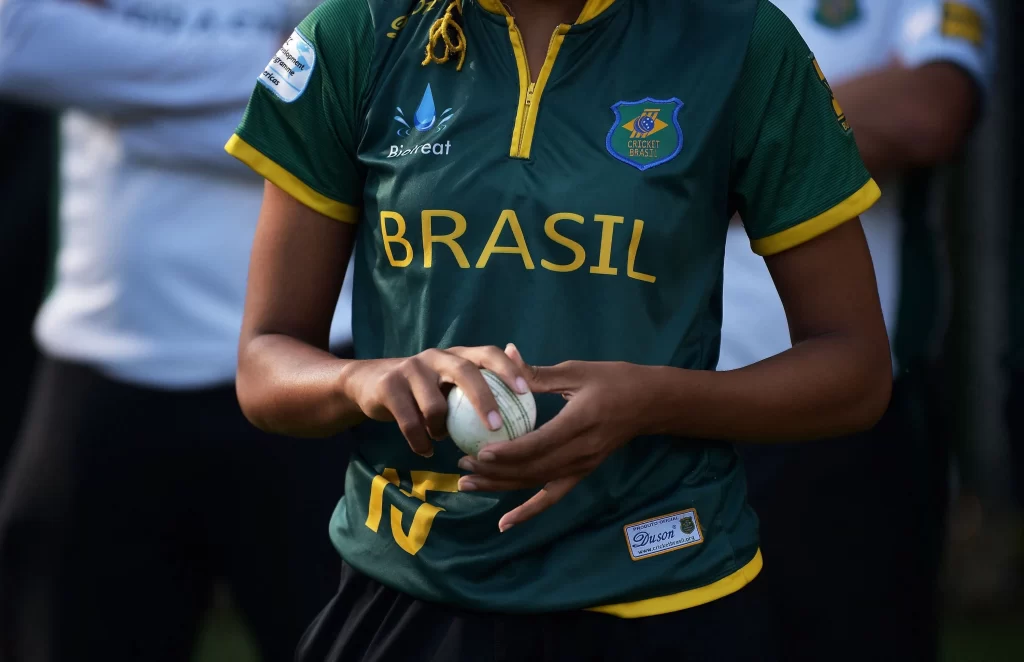
South American cricket rarely lands on front pages, yet its numbers impress. Brazil’s women secured the 2022 South American Championship and hold central contracts backed by prize money and private sponsors. Argentina manages the continent’s oldest cricket association and runs a structured senior league in Buenos Aires. Chile, Mexico, and Peru weave cricket lessons into physical-education classes, giving thousands of students their first taste of the game.
FECA is not limited to backroom coordination. It will influence on-field development and match volume across the region. CWI Director of Cricket Miles Bascombe spoke to the direct competitive advantages:
“Including teams from the Americas in our tournaments brings clear mutual benefits. It expands our competitions, giving our players more games and exposure to unfamiliar opposition, while providing valuable match experience for developing teams in the region.”
— Miles Bascombe, Director of Cricket, Cricket West Indies
(source)
These statements position FECA not as a side project, but as a central element of Cricket West Indies’ forward-looking strategy—one that sees growth in the Americas as both a duty and an opportunity.
These initiatives flourish despite limited budgets and sporadic competition. FECA provides a bridge to higher horizons. Caribbean coaches will stage clinics across the continent, and a clear ladder toward the Under-Nineteen World Cup will reward nations that invest in youth. Perhaps most valuable, FECA supplies every program with a collective address when approaching government agencies or Olympic committees for support, turning isolated ambition into a shared regional project.
A Converging Path Toward Los Angeles 2028
Cricket’s return to the Olympic program converts regional cooperation from an attractive idea into an urgent task. Qualification places will be scarce, and the current ICC framework favors sovereign states, an arrangement that complicates entry for the multi-nation West Indies. FECA can broker solutions that honor Caribbean heritage while opening fair lanes for other members. For the United States, an Olympic berth would spark mainstream media coverage and fresh investment. South America would validate years of quiet groundwork and unlock new public funding.
For Cricket West Indies, the growth of the game outside the Caribbean is not a distraction from its mission. It is a direct extension of it. CWI CEO Chris Dehring emphasized that regional expansion would reinforce the Caribbean system rather than compete with it:
“Our efforts to expand cricket must redound positively to each country under our remit. This growth will not only uplift national programs but will also strengthen West Indies cricket by broadening our base, increasing opportunities and deepening our regional relevance.”
— Chris Dehring, CEO, Cricket West Indies
He also highlighted the rapidly growing talent base across the continent, particularly in countries like Brazil:
“With the emergence and development of cricketing hubs in areas such as Brazil, with 72,000 registered players – most of them women under professional contracts – along with Mexico, Colombia, and Argentina, this region is ripe for meaningful engagement.”
— Chris Dehring, CEO, Cricket West Indies
(source)

Discover the surprising story behind cricket’s only Olympic appearance and why it vanished after 1900! The full, wild story is right HERE!
Moving FECA from Vision to Reality
The hemisphere now holds an organization that balances ambition with practical support. The United States contributes finance and media scale. The West Indies brings expertise, elite coaching, and a storied brand. South America offers new markets, athletic talent, and room for expansion. FECA blends these elements into one recipe aimed at Olympic participation, sustainable domestic leagues, and constant cross-border competition within a manageable travel radius.
Challenges endure. Regional academies need firm funding, governance must remain transparent, and trust must deepen among boards that seldom shared calendars in the past. Yet the framework is finally visible. If FECA meets its goals, cricket in the Americas can rise from scattered enthusiasm to organized momentum, giving every child from Houston to Havana and from Rio to Regina a clear lane into the world game.

Which Nations are Participating in the New FECA Project?
As of the official launch by Cricket West Indies, the following nations are involved or identified as participating members in La Federación de Críquet de las Américas (FECA):
Confirmed Member Nations of FECA:
- Antigua & Barbuda
- Argentina
- Bahamas
- Barbados
- Belize
- Bermuda
- Brazil
- Canada
- Cayman Islands
- Chile
- Costa Rica
- Dominica
- Dominican Republic
- Grenada
- Guyana
- Jamaica
- Mexico
- Panama
- Saint Kitts & Nevis
- Saint Lucia
- Saint Vincent & the Grenadines
- Suriname
- Trinidad & Tobago
- United States of America (USA)
This list reflects over 20 nations across North, Central, and South America and the Caribbean. While USA Cricket remains the ICC-recognized national body, it is included in FECA’s broader regional framework focused on development, coordination, and long-term strategic alignment.
Stay with 365NotOut for ongoing coverage of FECA and every next chapter in the rise of cricket across the New World.
For more on the early fire of West Indies cricket and how it burned so brightly, read our in-depth look at that post-war legacy in “Where Did the Fire Go?”